
Car Ford F250 parts
Search results:
8 ads
Show
8 ads: Car Ford F250 parts


3
Price on request
Spare part - gearbox
CC3P-7000-DB
 Mexico, Chihuahua
Maquinaria Wiebe Km 24 Sa
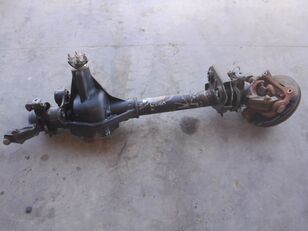

2
Price on request
Spare part - front axle
DC3Z-3010-C
Mexico, Chihuahua
Maquinaria Wiebe Km 24 Sa
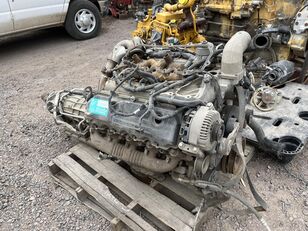


Price on request
Spare part - engine
diesel
Mexico, Chihuahua
Maquinaria Wiebe Km 24 Sa


3
Price on request
Spare part - injector
BC3Q-9K546-AD
Mexico, Chihuahua
Maquinaria Wiebe Km 24 Sa
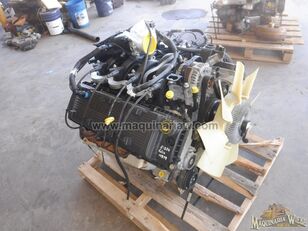


3
Price on request
Spare part - engine
Mexico, Chihuahua
Maquinaria Wiebe Km 24 Sa


2
Price on request
Spare part - gearbox
FC3Z-7000-F
Mexico, Chihuahua
Maquinaria Wiebe Km 24 Sa


3
Price on request
Spare part - torque converter
E40D
Mexico, Chihuahua
Maquinaria Wiebe Km 24 Sa


2
Price on request
Spare part - rear glass window
BC3Z-25422B30-B
Mexico, Chihuahua
Maquinaria Wiebe Km 24 Sa
Search results:
8 ads
Show
Car Ford F250 parts: FAQ
Which parts of Ford F250 cars break down most often?
Common trouble spots on Ford F250s include the ignition system (spark plugs/coil packs), front-end steering and suspension parts (ball joints, tie rods, wheel bearings), and brakes. Depending on year and engine, owners also often report issues with the transmission and fuel system (fuel pump/injectors), plus electrical items like alternators and sensors.
How to check the compatibility of spare parts for Ford F250 cars?
To check compatibility for Ford F250 spare parts, match the part number and verify fitment using your vehicle’s year, engine, and VIN in the fitment/compatibility tool or catalog. All spare parts presented on this page are compatible.
Which spare parts for Ford F250 cars need to be replaced regularly?
For Ford F250 cars, commonly replaced parts include engine oil and oil filter, air and cabin filters, spark plugs (gas engines) or fuel filter (diesel), brake pads/rotors, tires, battery, wiper blades, and fluids like coolant and transmission fluid as scheduled. On this page you can choose parts from different dealers and order them.
Is it worth buying spare parts for Ford F250 cars?
Yes—buying spare parts for Ford F250 cars is usually worth it to keep reliability high and avoid costly downtime, especially for common wear items (brakes, filters, belts) and frequently failing components. Using our portal you can compare offers from different dealers and order with confidence, since we list only verified new and used spare parts.
How much do spare parts for Ford F250 cars cost?
Spare parts for Ford F250 cars start from GHS 0, but the final cost depends mainly on the specific part (wear item vs. major component), the model year/trim and engine, and whether you choose OEM, aftermarket, or used parts. Prices also vary with brand quality and availability, and can change based on shipping and local taxes.
How do original spare parts for Ford F250 cars differ from their analogues?
Original Ford F250 spare parts are made to the manufacturer’s specifications for precise fit and consistent performance, often with predictable quality and warranty support. Analogue parts can offer a wider choice and better pricing, and many are produced by reputable suppliers with comparable function and availability.


